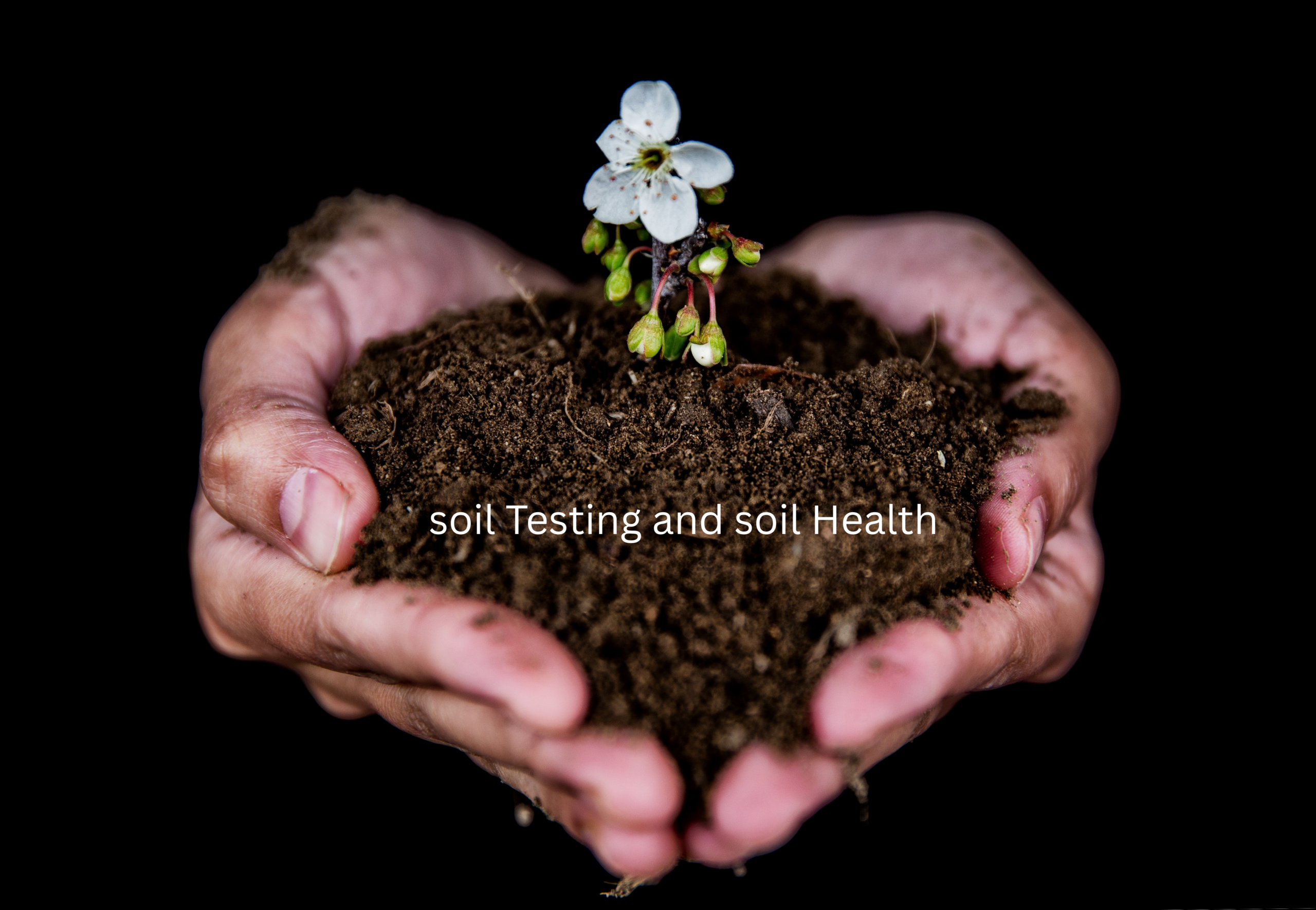
Soil Health and Soil Testing: The Foundation of Successful Farming
Most Farmers look at their crops everyday. They Check the leaves ,flowers, fruits, and growth . But the most important part of farming is usually the one nobody sees---the Soil. A healthy crop starts long before a seeds sprout.
What is Soil Health?
Soil health refers to the condition of the soil and its ability to support healthy plant growth. Healthy soil contains the right balance of nutrients, organic matter, water, air, and beneficial microorganisms.
Think of soil as the foundation of a house. If the foundation is weak, the entire structure suffers. In the same way, poor soil can reduce crop growth, increase farming costs, and lower yields.
Benefits of Soil Health:
Better crop growth
Improved water retention
Stronger root development
Reduced fertilizer wastage
Increased resistance to pests and diseases
Higher crop yields and better profits
Sign of Healthy soil
- Good water hold
- support strong roots
- presence of earthworms and beneficial insects
- Dark brown and black color soil
- strong and uniform crop Growth
Sign of poor Soil Health
- soil dries quickly
- weak roots
- presence of earthworms is less
- Hard and cracked soil
- yellow or weak plants
Tips to Improve Soil Health:
- Add organic compost regularly.
- Use crop rotation practices.
- Avoid overuse of chemical fertilizers.
- Grow cover crops when possible.
- Maintain proper irrigation.
- Incorporate farmyard manure and organic matter.
What is Soil Testing?
Soil testing is the process of analyzing soil samples to determine nutrient levels, pH, organic matter, and other important properties.
It helps farmers understand exactly what their soil needs instead of applying fertilizers blindly.
Such as, If a soil test shows low potassium levels, the farmer can apply potassium-based fertilizers only where needed. This saves money and improves crop performance.
Benefits of Soil Testing:
- Saves Money—Soil testing prevents unnecessary fertilizer use.
- Improves Crop Yield–Balanced nutrition helps crops grow healthier and produce better harvests.
- Protects Soil Health–Excessive fertilizer use can damage soil over time.
- Supports Sustainable Farming–Farmers can use resources efficiently while protecting the environment.
Signs Your Soil May Need Testing:
- Poor crop growth
- Yellowing leaves
- Uneven crop development
- Reduced yield compared to previous years
- Waterlogging or poor drainage
- Excessive fertilizer requirement
Simple Steps for Soil Testing:
Collect soil samples from different parts of the field.
Mix the samples thoroughly.
Allow the soil to dry in the shade.
Send the sample to a certified soil testing laboratory.
Review the report and follow the recommendations.